6 Medications That Cause Leg Cramps and How to Find Relief
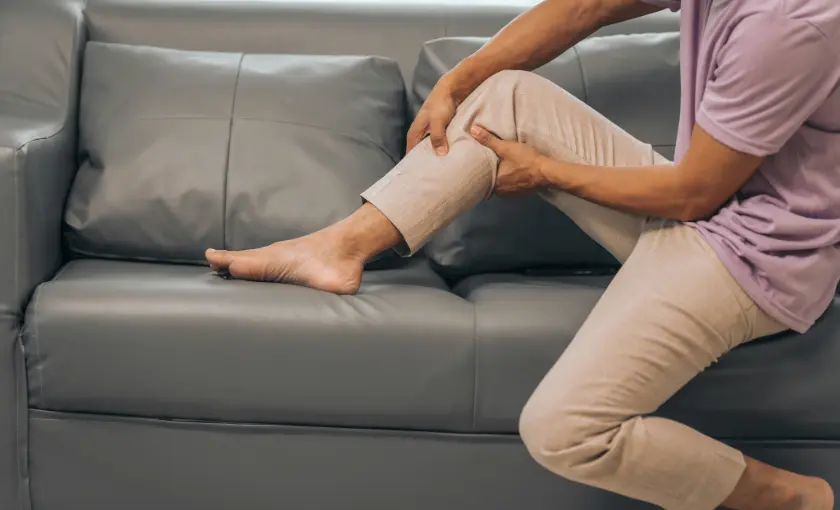
Is My Medication Causing Leg Cramps?
Leg cramps can strike without warning — a sudden tightening in your calves or thighs that stops you in your tracks. While dehydration and low electrolytes are common culprits, certain prescription medications can also cause painful muscle spasms. Understanding which drugs may trigger cramps can help you talk to your doctor about safer alternatives.
Antipsychotics
Used to treat conditions like schizophrenia and bipolar disorder, antipsychotic medications can alter dopamine levels and interfere with muscle control. This may lead to stiffness, weakness, or painful cramping.
Short-Acting Loop Diuretics
These “water pills,” often prescribed for high blood pressure or heart failure, flush sodium and potassium from your system. Low electrolyte levels can cause intense leg cramping.
Thiazide Diuretics
Another common diuretic class, thiazides can also deplete electrolytes and cause muscle discomfort — especially when taken long term.
Beta-Blockers
Beta-blockers slow your heart rate and reduce blood pressure, but they can also narrow peripheral arteries, reducing blood flow to your legs and feet. Result: tightness, tingling, or cramps.
Beta₂-Agonists
Used to relax airway muscles in asthma and COPD, beta₂-agonists can sometimes disrupt potassium balance, triggering cramping or muscle tremors.
ACE Inhibitors
By preventing production of angiotensin II, these medications relax blood vessels — but can also raise potassium levels, leading to achy, cramp-like sensations.
Other Possible Causes of Leg Cramps
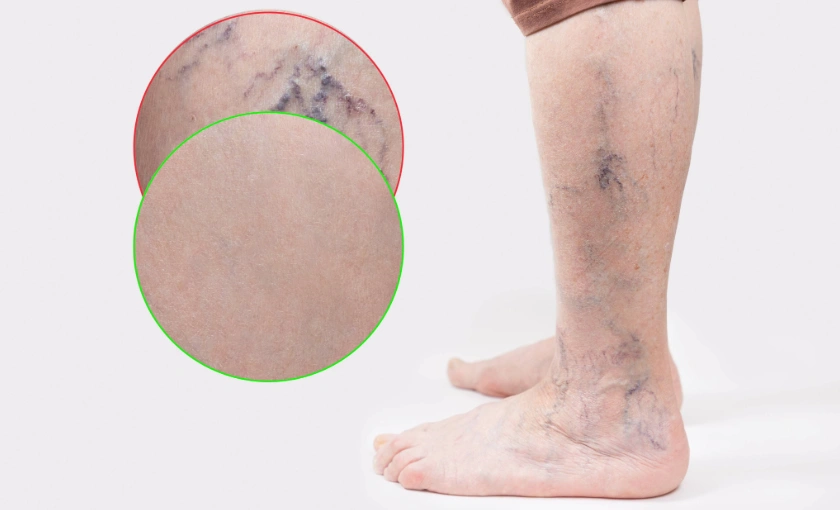
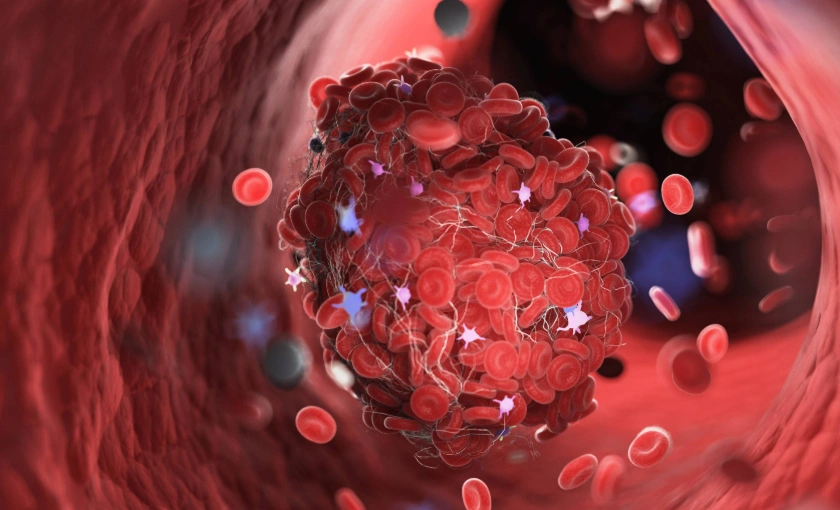
Leg cramps can also result from circulation issues, dehydration, or vein disease. Conditions such as Peripheral Arterial Disease, varicose veins, venous insufficiency, thyroid disorders, diabetes, or kidney disease may all play a role.
If your cramps persist, schedule an evaluation to pinpoint the cause and get tailored treatment.
When to Talk to Your Doctor
Keep track of when cramps occur, any new medications, and how severe symptoms feel. Your doctor may:
- Review possible drug interactions
- Adjust your dosage or switch prescriptions
- Check electrolytes or vascular health
Never stop a prescribed medication without medical guidance.
BASS Vein Center Can Help
If you experience recurring leg cramps, especially alongside varicose veins or swelling, the issue may involve your vascular system.
The specialists at BASS Vein Center offer comprehensive diagnostics and minimally invasive treatments to restore healthy circulation.
Call 925-477-3030 or request a consultation today.
Note: Coverage varies between insurance plans. Please check with your insurance provider before scheduling. BASS Vein Center will verify your benefits so you understand any out-of-pocket costs ahead of treatment.
Medical Disclaimer: The information provided in this blog is for educational and informational purposes only and is not intended as medical advice, diagnosis, or treatment. BASS Medical Group does not endorse any specific tests, treatments, procedures, or opinions referenced in this content. Individual results may vary. Always consult with your physician or a qualified healthcare provider regarding any medical concerns or before making changes to your health regimen.